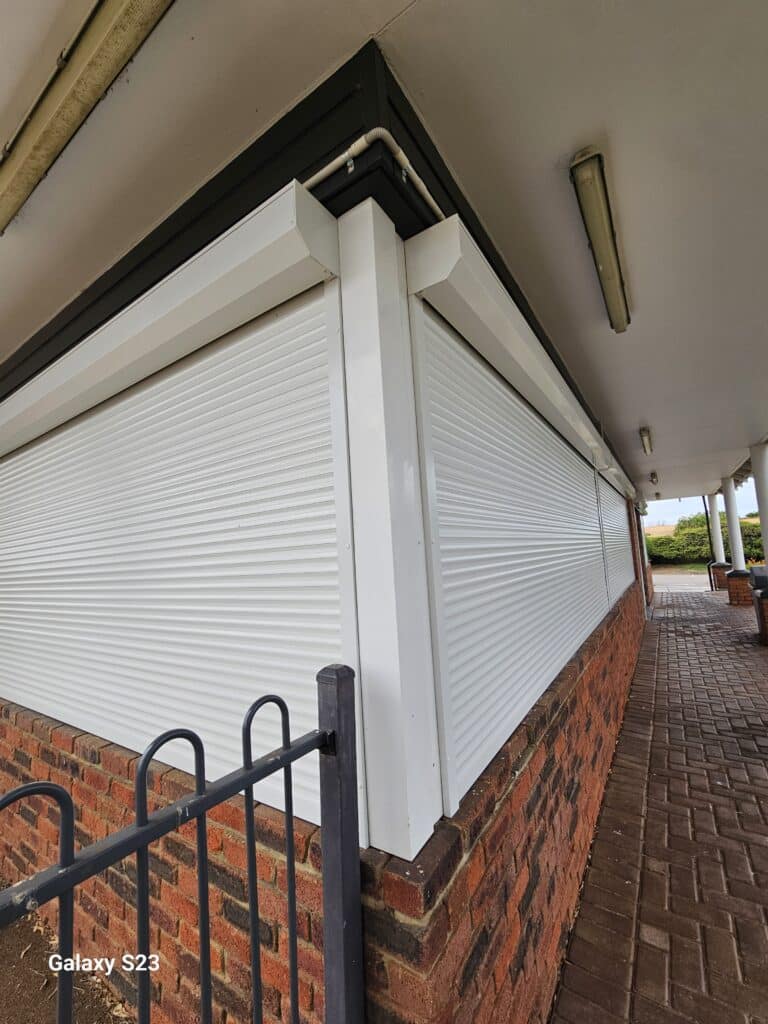
The days of manually winding up heavy shutters are well behind us. Modern electric roller shutters have transformed how homes and businesses secure their properties, offering convenience, safety, and reliability at the touch of a button.
But what actually happens behind the scenes when you press that remote? Understanding how these electrical systems work can help you make informed decisions about installation, maintenance, and upgrades.
The Core Components of an Automated System
At the heart of every motorised roller shutter is a carefully engineered system of components working together. The primary element is the tubular motor, which sits inside the roller tube at the top of the shutter. This compact design keeps the mechanism hidden from view while providing the power needed to raise and lower the shutter curtain smoothly.
Roller shutter electric motors typically operate on either 240V mains power or low-voltage DC systems, depending on the application. Mains-powered motors deliver more torque and are suited to larger, heavier shutters, while DC motors offer quieter operation and can integrate with battery backup systems for continued use during power outages.
The motor connects to a control unit that interprets signals from your remote control, wall switch, or smart home system. This control unit manages the direction of rotation, monitors safety sensors, and can store programmed settings like preferred stop positions or scheduled opening times.
How the Motor Moves the Shutter
When you activate the control, the motor begins spinning the roller tube. The shutter curtain, which wraps around this tube, either winds up or unwinds depending on the direction of rotation.
Most automated roller shutters use a worm gear mechanism within the motor, which provides two important benefits: it creates the mechanical advantage needed to lift heavy curtains, and it prevents the shutter from being pushed up manually from outside, adding a layer of security.
The motor includes limit switches or electronic positioning systems that tell it when to stop. These can be set during installation to ensure the shutter stops precisely at the fully open and fully closed positions. More advanced systems use encoder technology to track the exact position of the curtain, allowing for partial opening or multiple preset positions.
Safety Features Built Into Roller Shutter Electric Motors
Modern electric roller shutters incorporate several safety mechanisms to protect both people and property. Obstacle detection is perhaps the most important of these features. Using either pressure sensors or infrared beams, the system can detect when something is blocking the shutter’s path. If an obstruction is detected during closing, the motor automatically stops and reverses direction, preventing injury or damage.
Thermal protection within the motor prevents overheating during extended use. If the motor runs for too long or encounters excessive resistance, it will temporarily shut down until it cools to a safe operating temperature. This protects the motor from burnout and extends the lifespan of your investment.
Many automated roller shutters also feature manual override capabilities. In the event of a power failure or motor malfunction, a manual winding mechanism or emergency release allows you to operate the shutter by hand, ensuring you’re never locked in or out.
Integration with Smart Home Systems
The latest generation of motorised roller shutters can connect to home automation platforms, opening up possibilities that go well beyond simple remote control. Through WiFi or radio frequency connections, shutters can be controlled via smartphone apps from anywhere in the world, integrated with voice assistants like Google Home or Amazon Alexa, or programmed to respond to environmental triggers.
Sun sensors can automatically lower shutters during the hottest part of the day, reducing cooling costs and protecting furniture from UV damage. Wind sensors can retract awning-style shutters before storm damage occurs.
Timer functions also allow shutters to operate on a schedule, creating the impression of occupancy when you’re away and enhancing security.
Choosing the Right System for Your Needs
The ideal automation setup depends on several factors including shutter size and weight, frequency of use, desired features, and budget. Smaller window shutters may only require a basic motor with remote control, while large commercial or garage door applications might need heavy-duty motors with advanced safety features and integration capabilities.
Battery backup is worth considering for security shutters, ensuring they remain operational during power outages. For retrofitting existing manual shutters, compact motor designs can often be installed without major modifications to the existing structure.
Professional installation ensures that motors are correctly sized for the shutter weight, limit switches are accurately set, and all safety features function as intended. Proper installation also protects warranty coverage and ensures compliance with Australian electrical and building standards.
Discover Automated Roller Shutters with Kings Roller Shutters
For over 15 years, Kings Roller Shutters has been specialising in supplying and installing high-quality automated roller shutters for residential and commercial properties across WA. Our dedicated team can guide you through the options available, recommend the right motor and control system for your specific requirements, and ensure professional installation that maximises performance and longevity.
Whether you’re looking to upgrade existing manual shutters or install a complete new system, we’re here to help. Contact us today to discuss your project and discover how electric roller shutters can improve security, comfort, and convenience for your property.